


Interview
The Intersection of Health Care and Public Safety
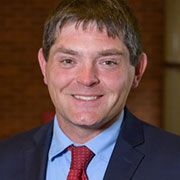
Dylan Ferguson, Director, Minnesota Office of Emergency Medical Services
What can you tell us about the mission of the Office of Emergency Medical Services?
The mission of the Minnesota Office of Emergency Medical Services (OEMS) is to protect and improve the health and safety of all Minnesotans by supporting a high quality, accessible and accountable EMS system. Regulation is a key part of that mission, but it represents only one element of broader responsibility. OEMS works to strengthen EMS as an essential part of Minnesota’s health care system by setting statewide standards, licensing ambulance services and personnel and overseeing EMS data collection. The goal is to ensure patients receive safe and effective prehospital care.
Collaboration is central to this work. OEMS partners with ambulance services, hospitals, physicians, regional programs, tribal governments and local communities to identify challenges and develop practical solutions. This collaboration may involve grants, workforce initiatives, improved data quality and support for innovative care models.
Physicians play a particularly important role. Minnesota has long emphasized strong medical direction in shaping prehospital care. The EMS Physician Advisory Council brings physician leaders together to advise on clinical issues and emerging opportunities to improve patient care across the state.
Ultimately, our goal is to ensure that every Minnesotan has access to an evidence-based EMS system that delivers consistent high quality care and functions as an integrated part of the broader health care system.
What are some of the biggest challenges your office faces?
A central challenge facing EMS is one of identity. EMS operates at the intersection of health care and public safety, serving critical roles in both areas. This dual position is a strength but can also create difficulties because EMS does not fit neatly into either category. Decisions about workforce, funding and system planning are often made through a health care lens or a public safety lens, even though EMS depends on both.
The demands on EMS continue to grow. Clinicians now provide complex care in homes, workplaces, nursing facilities, schools and on roadways. They contribute to trauma care, stroke care, cardiac care, behavioral health care and public health preparedness. Many policies and reimbursement structures, however, have not kept pace with this evolution.
OEMS works to bridge these worlds by partnering with health care organizations, physicians, public safety agencies, legislators and local communities. The goal is to build a system that recognizes EMS as essential health care infrastructure. Whether addressing workforce shortages or evaluating new care models, the focus remains on ensuring timely access to high quality emergency medical care for Minnesotans in every community.
There are several different national organizations that address emergency medical services, what are ways you coordinate with some of them?
Although EMS systems vary by state, many face similar challenges. Workforce sustainability, rural access, clinical outcomes and emerging technology all benefit from national collaboration. OEMS actively participates with several organizations that support this shared work.
Through the National Association of State EMS Officials (NASEMSO), OEMS collaborates with counterparts across the country on workforce development, funding strategies, regulatory modernization and national data standards. These discussions help Minnesota learn from other states while contributing its own experiences.
OEMS also partners with the National Highway Traffic Safety Administration (NHTSA), which provides leadership in EMS system development. This partnership supports evidence-based practices, trauma systems, traffic safety and emerging programs such as prehospital blood administration.
In addition, OEMS works with the Health Resources and Services Administration (HRSA) through the Emergency Medical Services for Children program. Because pediatric emergencies are relatively infrequent, national collaboration ensures Minnesota clinicians remain ready to care for critically ill or injured children.
These partnerships help Minnesota remain engaged in national EMS efforts and ensure patients benefit from current evidence and innovation.
How are workforce shortages affecting the work you do?
Minnesota’s EMS system experienced significant workforce challenges during and after the COVID-19 pandemic. Retirements increased, burnout intensified and education pipelines were disrupted. For a period, Minnesota lost credentialed providers at a faster rate than new ones were entering the profession, raising concerns about long term sustainability.
Legislative investments and OEMS initiatives have helped reverse that trend. Expanded education opportunities, recruitment efforts and workforce development programs have increased the number of newly certified EMS professionals. This progress is positive, but recruitment alone is not enough, retaining experiences clinicians is equally important.
Retention remains a significant challenge. Approximately half of Minnesota’s EMTs and three quarters of its paramedics are actively providing patient care on an ambulance. Rising call volumes and growing clinical complexity make the retention of experienced clinicians just as important as recruiting new ones.
These realities shape OEMS priorities. Reducing barriers to entering the profession, supporting career longevity and improving workplace sustainability remain central to ensuring a resilient EMS workforce capable of meeting the needs of Minnesota communities.
Please tell us a little about the Sprint Paramedic program.
The Sprint Paramedic Program, created by the Legislature in 2024, is one of Minnesota’s most innovative EMS initiatives. The goal is to improve timely access to Advanced Life Support (ALS) in rural communities where geography, workforce limitations and call volume make traditional staffing models difficult to sustain.
Two regions, Otter Tail and Grant Counties and St. Louis County, are currently participating in the pilot. Rather than requiring each rural ambulance service to independently provide ALS coverage, multiple Basic Life Support services share a strategically deployed paramedic who can rapidly respond to high acuity emergencies. This approach brings advanced care closer to patients while allowing local ambulance services to continue serving their communities.
Improving outcomes is ultimately what defines Minnesota’s EMS system.
Please tell us a little about the Sprint Paramedic program.
The Sprint Paramedic Program, created by the Legislature in 2024, is one of Minnesota’s most innovative EMS initiatives. The goal is to improve timely access to Advanced Life Support (ALS) in rural communities where geography, workforce limitations and call volume make traditional staffing models difficult to sustain.
Two regions, Otter Tail and Grant Counties and St. Louis County, are currently participating in the pilot. Rather than requiring each rural ambulance service to independently provide ALS coverage, multiple Basic Life Support services share a strategically deployed paramedic who can rapidly respond to high acuity emergencies. This approach brings advanced care closer to patients while allowing local ambulance services to continue serving their communities.
Early results are encouraging. In the St. Louis County pilot, the Sprint Paramedic arrives before the transporting ambulance in about half of responses, allowing advanced assessment and treatment to begin sooner. The program has also helped volunteer services maintain two person crews during staffing shortages.
The pilot runs through June 2027. OEMS intends to provide a comprehensive evaluation to the Legislature, including analysis of patient care, rural system strength and long-term sustainability.
What are some of the advances in technology that have improved patient outcomes the most in emergency medical services?
EMS is now capable of delivering increasingly sophisticated medical care before patients reach a hospital. Advances in evidence-based treatment, communications technology and decision support allow EMS clinicians to begin definitive care earlier, when every minute matters.
One important development is the expansion of prehospital blood administration. Air ambulances have carried blood products for years, and more ground services are beginning to do the same. Early administration of whole blood or components for severe hemorrhage or shock can improve stability before hospital arrival.
EMS innovation is also improving treatment for opioid use disorder. Several Minnesota services now administer buprenorphine in the field following overdose. This early intervention reduces withdrawal symptoms and helps patients engage in long-term treatment and recovery.
Telemedicine presents additional promise. Pilot projects are studying how real time consultation between EMS clinicians and physicians can support complex care in the field, particularly in rural areas. These efforts represent a broader shift toward delivering the right care as early as possible rather than simply transporting patients faster.
What further advances do you see on the horizon?
Some of the most significant advances in EMS may come from changes in how and where care is delivered. The traditional model of evaluating each patient and transporting them to an emergency department is evolving toward providing the right care in the right place at the right time.
Telemedicine will likely continue expanding. Improved communication technology will allow EMS clinicians to consult physicians in real time, supporting better treatment decisions and creating more opportunities for safe non transport care. Minnesota’s pilot projects already explore these possibilities.



Unmanned aerial systems, or drones, may also play an important role in rapid delivery of lifesaving resources. Equipment such as AEDs, blood products, naloxone, and tourniquets could reach patients more quickly, especially in rural or hard-to-reach areas.
Another major advancement involves deeper integration of EMS into the health care system. Community paramedicine, mobile integrated health care, treatment in place models and new payment approaches recognize that EMS is more than transportation. As these models mature, EMS will serve as a flexible health care resource that improves care coordination and patient outcomes.
Please discuss some of the financial pressures your office faces.
Financial sustainability is one of the most significant challenges for Minnesota’s EMS system. OEMS works closely with ambulance services that are operating under increasing financial strain. Recent statewide reporting found that nearly two thirds of ambulance services operated at a loss during their most recent fiscal year, with combined deficits exceeding $57 million.
EMS is a readiness-based system. Ambulances must maintain trained personnel, specialized equipment and vehicles ready around the clock, regardless of call volume. Fixed costs are constant, even on days with few or no transports. At the same time, reimbursement has historically been tied to transport rather than the readiness, assessment and treatment provided on every response.
As EMS becomes more integrated into health care, funding structures must be evaluated. Minnesota has made important investments through grants and targeted legislative initiatives, but long-term stability will require collaboration among policymakers, insurers, health care providers and EMS leaders. OEMS supports this work by providing objective data and evaluating new options for sustainable funding.
What are some of the key elements of care coordination that you encounter in your work?
Care coordination begins before a patient arrives at the hospital. EMS is often the first point of medical contact, and effective transfer of information between EMS clinicians and hospital teams is essential for strong outcomes. OEMS plays an important role in strengthening these connections across the health care system.
Minnesota’s model places significant responsibility on physician medical directors, who guide local protocols, oversee quality improvement and ensure care remains evidence based. OEMS supports these partnerships by establishing statewide standards and facilitating communication among EMS agencies, hospitals and physicians.
Technology also enhances coordination. Minnesota’s Hospital Hub system rapidly shares electronic patient care reports with receiving hospitals, giving emergency department clinicians timely access to prehospital information. OEMS also supports the state’s Medical Resource Communication Centers, which coordinate complex or high acuity incidents in real time.
Strong relationships between clinicians, physicians and system partners ultimately make coordination successful and improve continuity of care for patients.
What can physicians do to help improve emergency medical services?
Physicians are central to the success of EMS, and that involvement extends far beyond emergency medicine. Every physician who interacts with EMS can help strengthen the system by sharing expertise, supporting education and collaborating to enhance patient care.
Minnesota benefits from strong physician participation through local medical direction. Physician medical directors help shape protocols, guide quality improvement and ensure EMS clinicians practice evidence-based medicine. This relationship is one of the state’s defining strengths.
Specialists across disciplines can contribute valuable education and clinical experiences to EMS students and practicing clinicians. Physicians can also participate in research, quality initiatives and system planning efforts that help EMS evolve alongside broader health care.
Most importantly, physicians can view EMS as an extension of their care team. Early prehospital care often shapes everything that follows in the hospital. When physicians, hospitals and EMS agencies work together as true partners, patients receive more coordinated, higher quality care. That shared commitment to improving outcomes is ultimately what defines Minnesota’s EMS system
Dylan Ferguson, was
appointed by Governor Tim Walz to serve as the inaugural director of the Office of Emergency Services. He started this new role on January 1,2025 and brings decades of work in public service, administration and EMS experience to the position.




MORE STORIES IN THIS ISSUE
cover story one
Health Care Affordability: A new statewide initiative
By Matthew Anderson, JD, AND Sheila Kiscaden
cover story two
It’s Time to Heal, Minnesota: Dealing with societal trauma

