


Interview
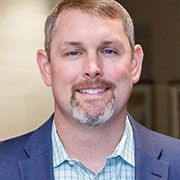
Preparing for What’s Ahead
Josh Ripplinger AIA, ACHE, LEED AP, National Health Care Practice Leader at Wold Architects and Engineers
Please tell us about the work Wold does in health care and how it has grown since the firm started in 1986.
Health care has been a core part of Wold’s practice for years. What started as a regional architecture and engineering firm has grown into a national health care practice that partners with organizations of all sizes, from critical access hospitals and community health centers to large health systems and senior living providers.
Our work spans the full continuum of care and includes strategic planning, facility assessments, master planning, architecture, engineering, interior design and implementation support. While the services we provide have expanded over the years, our approach has remained consistent: helping health care organizations make informed decisions that support their mission, their staff and the communities they serve.
One of the biggest changes we’ve seen is the increasing complexity of health care planning. Organizations are being asked to balance aging infrastructure, workforce challenges, changing care models and financial pressures while continuing to deliver high-quality care. As a result, our role has evolved beyond designing buildings. Today, we’re often helping clients evaluate long-term strategies, prioritize investments and navigate uncertainty.
What are some of the responsibilities you have as the national health care practice leader?
A big part of my role is helping health care organizations navigate complex decisions about their facilities and long-term planning. That can mean working with leadership teams to understand their strategic goals, helping evaluate future growth opportunities or ensuring facility investments align with operational needs and community priorities.
Internally, I work closely with our health care team across the country to share knowledge, identify emerging trends and make sure we’re bringing the best thinking and resources to each client. Health care is constantly evolving, and it’s important that we’re not only responding to changes in the industry but helping clients prepare for what’s ahead.
Ultimately, I see my role as helping organizations move from uncertainty to confidence. Whether we’re discussing a facility assessment, a master plan or a major capital investment, the goal is to provide the information and guidance needed to make informed decisions that will serve the organization and its community for years to come.
Earlier this year, Wold conducted a survey of 100 rural health care facility leaders. Why did you undertake this project, and how was it conducted?
For years, we've had conversations with rural health care leaders about many of the same challenges: workforce shortages, aging facilities, changing patient needs and limited resources. We wanted to better understand how widespread those concerns were and where organizations were focusing their attention as they plan for the future.
We saw an opportunity to learn directly from the people making these decisions every day and gain a clearer understanding of the issues shaping rural health care today. Rural health care providers understand their communities better than anyone, and we felt it was important to create a platform for those voices and perspectives to be heard. The findings provide valuable insights into the realities health care leaders face, as well as the opportunities they see ahead.
To conduct the research, Wold partnered with Wakefield Research to survey 100 health care facility leaders from rural organizations across the United States. Participants included executives, administrators and decision-makers responsible for facility planning and operations. The survey explored topics ranging from facility investments and community health needs to long-term planning priorities and perceptions about the future of rural health care.
What stood out most was the level of optimism. While respondents acknowledged significant challenges, they also demonstrated a strong commitment to improving access to care and investing in facilities that will serve their communities for years to come.
The survey highlighted the important role health care facilities play in rural communities. What stood out to you about how leaders view their responsibility to the communities they serve?
One of the strongest themes throughout the research was how deeply connected rural health care organizations are to the communities they serve. For many leaders, their role extends well beyond providing medical care. They’re thinking about economic development, workforce attraction, quality of life and the long-term health of their communities.
In fact, 85% of respondents agreed that local health care centers are often overlooked in conversations about community well-being. That finding was particularly interesting because it reinforces something we’ve seen firsthand for years. Health care facilities can often be among the largest employers in rural communities, and they play a significant role in attracting residents, supporting local businesses and providing a sense of stability.
The survey also showed that rural health care leaders are not simply focused on maintaining services. They’re actively thinking about how to expand access, improve facilities and prepare for future community needs. Even in the face of financial pressures and workforce challenges, there was a strong sense of responsibility to ensure care remains accessible close to home.
That commitment to community was one of the most encouraging takeaways from the research and a reminder that facility planning decisions often have an impact far beyond the walls of the building itself.
Health care is constantly evolving.
Ninety-two percent of your survey respondents were either already actively engaged in facility improvement plans or about to be. What are some of the elements that go into making such decisions?
One of the things the survey reinforced is that facility planning is rarely driven by a single factor. Health care leaders are balancing a wide range of considerations, including community needs, workforce challenges, operational efficiency, financial realities and the condition of their existing facilities.
Many organizations are also evaluating how care delivery is changing. Services that made sense 10 or 20 years ago may look very different today. Leaders are asking important questions about where care should be delivered, what services are most needed and how facilities can support future growth while remaining financially sustainable.
Another important consideration is timing. Deferred maintenance, aging infrastructure and evolving regulatory requirements can all influence when improvements become necessary. At the same time, organizations are trying to prioritize investments that will have the greatest impact on patient care, staff experience and long-term operations.
What stood out to me from the research is that health care leaders are approaching these decisions thoughtfully. They’re not just reacting to immediate needs. They’re taking a broader view of how facilities support their mission and how today’s investments can position their organizations and communities for the future.
Funding is always critical to new construction or remodeling and requires coordinated planning, opportunity navigation and stakeholder alignment. Please tell us about these considerations.
Both funding and financing are often among the most challenging aspects of any health care project because there are usually more needs than available resources. That makes prioritization incredibly important.
Before organizations begin pursuing financial support, it’s essential to have a clear understanding of what they’re trying to accomplish and why. Whether the goal is expanding access to care, improving operational efficiency, replacing aging infrastructure or supporting future growth, those priorities help guide investment decisions and build consensus among stakeholders.
Alignment is another critical component. Health care projects often involve leadership teams, boards, physicians, staff, community members and funding/financing partners. The more clarity there is around the organization’s goals and long-term vision, the easier it becomes to build support and communicate the value of the investment.
We’ve also seen that organizations are most successful when facility planning and capital discussions happen together rather than separately. A thoughtful master plan can help leaders understand what improvements are needed today, what can be phased over time and where future opportunities may exist. That creates a stronger foundation for capital conversations and helps organizations make informed decisions that support both immediate needs and long-term objectives.
What are some examples of innovative solutions to these issues you have seen recently?
One of the most encouraging things we’re seeing is that innovation isn’t always tied to new technology or large-scale construction projects. In many cases, it’s about finding creative ways to maximize existing resources and improve access to care.
For example, we’ve worked with organizations that are rethinking how existing facilities are used rather than immediately pursuing new construction. Through facility assessments and master planning, they’re identifying opportunities to repurpose underutilized space, consolidate services or phase improvements over time to better align with community needs and available funding.
We’re also seeing health care leaders take a more strategic approach to partnerships and service delivery. In some communities, organizations are exploring ways to bring services closer to patients through satellite facilities, specialty clinics or collaborative care models that improve access without requiring major expansions.
Another area of innovation is the planning process itself. More organizations are using data, community engagement and long-range planning to guide decisions. Rather than focusing solely on immediate needs, they’re looking at demographic trends, workforce challenges and future care demands to help ensure investments made today continue delivering value years down the road.
What these examples have in common is a focus on flexibility. The organizations finding success are creating solutions that allow them to adapt as community needs continue to evolve.




Please share your thoughts on facilities planning and speed to market as a strategic advantage in health care.
Health care organizations operate in an environment where needs can change quickly. External pressure can also contribute to timely decisions. Organizations that have already done the planning work are often in a much stronger position to respond when opportunities or challenges arise.
That’s one of the reasons facility planning is so important. A comprehensive master plan helps organizations understand their priorities, evaluate potential investments and identify a path forward before a need becomes urgent. When funding opportunities become available or strategic decisions need to be made, leaders aren’t starting from scratch. Speed to market isn’t necessarily about moving faster through design and construction. It’s about reducing uncertainty and being prepared to act with confidence. Organizations that have a clear understanding of their facilities, operational needs and long-term goals can often make decisions more efficiently because much of the groundwork has already been completed.
What can you tell us about elevating the standard for behavioral health spaces and designing dignity?
For a long time, behavioral health environments were often designed primarily around safety and risk mitigation. While those considerations remain critically important, there has been a significant shift toward recognizing the role the physical environment plays in a person’s recovery and overall experience of care.
Today, the conversation is increasingly centered on dignity. People seeking behavioral healthcare deserve environments that feel welcoming, supportive and healing, just as they would in any other health care setting. That means moving away from institutional design approaches and creating spaces that reduce stress, support privacy and foster a sense of comfort and belonging.
We’re seeing greater emphasis on trauma-informed design principles, including access to natural light, connections to nature, calming materials, clear wayfinding and spaces that provide both safety and choice. These elements can help reduce anxiety and create environments where patients feel respected and supported throughout their care journey.
Design alone cannot solve the behavioral health challenges facing our communities, but it can play an important role in shaping how care is experienced. When facilities are designed with dignity in mind, they can help remove stigma, support better outcomes and create environments that encourage people to seek care when they need it most.
What advice can you offer to those who are involved with improving their health care facilities?
My biggest piece of advice is to start by listening. Before discussing square footage, budgets or building solutions, it’s important to understand the people the facility serves and the challenges they’re trying to solve. Some of the most successful projects I’ve been involved with began with conversations rather than drawings. They included physicians, nurses, facilities teams, administrators, patients and community members who each brought a different perspective to the table. Those insights often reveal opportunities and priorities that might otherwise be overlooked.
I would also encourage leaders to think beyond immediate needs. It’s natural to focus on today’s challenges, but health care continues to evolve. Demographics change, care models shift and community needs grow over time. Taking a long-term view can help organizations make investments that remain valuable for years to come.
Lastly, don’t underestimate the value of a thoughtful planning process. The goal goes beyond creating a better building; it’s about creating an environment that supports caregivers, improves the patient experience and helps the organization fulfill its mission. When decisions are grounded in that purpose, the facility becomes a tool for advancing health care and strengthening the communities it serves.
Josh Ripplinger, AIA, ACHE, LEED AP,
is the national health care practice leader at Wold Architects and Engineers..





MORE STORIES IN THIS ISSUE
cover story one
The Health Care Workforce Shortage: Multiphasic problems and solutions
By Kenneth Botelho, DMSc, PA-C
cover story two
Emergency Department Design: Meeting a growing demand

