


Interview
Creating a More Just Society for All
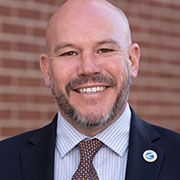
Jamie Verbrugge, president and CEO, Catholic Charities Twin Cities
Please tell us about the mission of Catholic Charities Twin Cities (CCTC).
For more than 150 years, Catholic Charities has been an integral part of the Twin Cities community, directly serving our most vulnerable neighbors. For us, caring goes beyond belief.
We deliver essential services including affordable housing, emergency shelter, nutritious meals, mental health care, addiction resources and more. CCTC offers a lifeline to those facing hardship, providing support and developing solutions to build stronger communities. Regardless of faith, identity, background or circumstances, we treat everyone with dignity and respect. This transformative work wouldn’t be possible without our dedicated staff and the generous support of our donors, volunteers and advocates.
Our services are organized to serve in four service categories: aging and disability services, adult emergency services, children and family services and single adult housing. With facilities across the Twin Cities, we work tirelessly to respond to immediate crises and offer pathways to greater stability. We strive to create a more just society for all by fostering strong partnerships with community organizations and individuals.
You have invaluable perspective on the relationship between homelessness and health. What can you share about this subject?
Housing is widely recognized by health professionals as a fundamental component of health care. Without safe and stable housing, maintaining physical and mental health becomes nearly impossible. This is especially true for individuals experiencing homelessness, who face disproportionately high rates of comorbid conditions such as asthma, diabetes, chronic pulmonary disease and substance use disorders. Homelessness often exacerbates these conditions, creating dangerous circumstances—particularly for those who are unsheltered and exposed daily to the elements, community violence and infectious diseases in settings like encampments.
Individuals who access shelters also face health challenges. The high density of most shelters facilitates the spread of respiratory illnesses, influenza and other communicable diseases. Limited privacy, the absence of strong support systems and the chronic stress of homelessness further intensify physical and mental health challenges.
Equity within health care systems also plays a critical role. Black, Indigenous, and People of Color (BIPOC) communities are disproportionately represented among those experiencing homelessness, making them more likely to suffer poorer health outcomes due to systemic inequities in health care access and delivery.
Please tell us some of the ways you are working with the health care delivery system to assist the population you serve.
We recognize that many of the individuals we serve have not had access to, nor prioritized, the most basic elements of health care. With this in mind, we work to remove barriers that prevent our clients from receiving quality care. We actively engage in preventive health initiatives by partnering with organizations to provide immunizations, screenings and testing at our sites. Several of our facilities host medical providers who deliver primary and urgent care directly on-site. Two of our locations are co-located with Federally Qualified Health Centers, while others collaborate with medical professionals to ensure accessible care. In addition, highly skilled volunteers contribute essential services such as foot care.
CCTC has also partnered with health care systems to establish recuperative care programs in both Minneapolis and St. Paul. These medical respite programs offer a safe place for adults experiencing homelessness to heal after hospital discharge, when they are not yet ready to return to a shelter or the streets. Our staff support individuals by helping them follow discharge instructions, attend follow-up appointments and connect with housing services, ensuring care that promotes recovery and stability. Key partners in this work are Hennepin County Healthcare for the Homeless (at our Minneapolis respite location) and Regions Hospital and United Hospital (at our St. Paul respite location).
We also collaborate with broader community initiatives that improve the health and well-being of the people we serve. A good example of this is the Fairview Community Health and Wellness Hub in St Paul. Located next to our Catholic Charities Dorothy Day Place campus, the Hub addresses health disparities while providing a range of services.
We believe that working in partnership will enhance our impact and improve the health and well-being of our neighbors and the broader community for generations to come.
We have always served people regardless of faith, identity, background or circumstance.
What are ways this work could be expanded?
Last year, at CCTC, our programs for children, families and adults assisted more than 33,000 people, regardless of faith, background or circumstance. We know that the work we do makes a real difference in the lives of the people we serve. We also know there is more to do.
Several factors could improve the impact and reach of this work. Addressing upstream challenges would help prevent housing instability before it occurs, reduce more costly long-term costs and improve outcomes for vulnerable populations.
We also know that there needs to be sustained funding to maintain this work. We face challenges in planning ahead as the funding is uncertain. This makes it difficult to retain staff and invest in programs.
Working to build stronger cross-sector partnerships which foster collaboration between government, nonprofits, health care providers, and employers would expand our reach and sustainability.
Despite the challenges across our agency, we’re continuing our 150-year history of serving our neighbors in need: we’re innovating programs, building new service models and finding fresh ways to connect people with the resources and opportunities they need to be successful.
CCTC provides a wide range of services that address mental health issues, including substance use concerns. What can you tell us about this work?
While we are not a direct provider of behavioral health treatment services, we recognize that the individuals who come to us often have a wide range of needs that must be addressed and supported for long-term success. Central to this work is having empathetic, well-trained staff who are welcoming and committed to building healthy relationships with those seeking our services. All staff receive training in trauma-informed care, crisis de-escalation and strategies that promote healthy living for people experiencing homelessness. Additionally, we employ specialists with advanced behavioral health training to support direct care staff in developing care plans, implementing effective interventions and arranging outside care when needed.
We are also reimagining the way we engage people who are struggling with mental illness. This work includes:
- Developing a housing-focused behavioral health support team (HBST), which is a specialized group of case managers and behavioral health professionals who provide intensive support to meet the unique needs of individuals with complex health conditions. Embedded within the emergency shelters, the HBST connects people in crisis with resources that help them make progress towards stability.
- Utilizing a team of behavioral health professionals dedicated to serving residents in our permanent supportive housing programs. This team travels between housing programs to help manage the mental and behavioral challenges that our residents face, working alongside housing case managers to identify and support people who are struggling. This innovative approach helps ensure that our residents have the necessary resources to be successful and remain stably housed.
We understand that this work cannot be done alone. Our staff actively partner with behavioral health professionals and organizations to provide additional on-site services that improve accessibility whenever possible. We know that the easier services are to access, the more likely individuals are to engage in follow-up care and ongoing support. We also maintain extensive networks and relationships with acute care providers and public partners, ensuring that individuals can be connected to higher levels of care when necessary.
How does Minnesota work with other states in supporting this mission and how does your chapter work with others in the state?
We are a member of Catholic Charities USA (CCUSA), one of the largest private networks of social service providers in the country. CCUSA provides professional support through best-practice sharing, continuing education and advocacy at the national level.
Our staff engage with CCUSA in many ways, and one with the most affect is participation in its communities of practice. These groups connect staff with peers nationwide on topics such as leadership, mental health and housing. Through these communities, team members can ask questions, exchange ideas and learn directly from colleagues doing similar work across the United States.
While the Catholic Charities network is central to our foundation, we also collaborate with a broad range of partners to ensure we fully advance our mission. We actively participate in the communities of care in both Hennepin and Ramsey counties, working with local stakeholders to support coordinated efforts to address homelessness in our community. In addition, we engage with organizations that help older adults age safely in place and those that promote healthy development and early learning for children facing some of the greatest opportunity gaps in our country.
Our staff are often sought out for participation in committees, task forces and legislative input because of our long history in the community, experience in policy development and direct practice in the community.




Children’s health issues are an important part of your work. What are some ways you are helping to improve children’s health?
Our work with children and families has always been rooted in a deep commitment to opportunity and well-being. Research shows that individuals with higher educational attainment live healthier, longer lives. Yet, we also know that Minnesota’s Black and Brown children face some of the greatest opportunity gaps and educational disparities in our nation.
Since the 1980s, Catholic Charities has invested in quality early childhood education in North Minneapolis through the Northside Child Development Center (NCDC). NCDC goes beyond providing early education and childcare—it takes a holistic approach to supporting the entire family. From verifying immunizations and scheduling well-child checkups to ensuring dental care, staff help make sure critical health needs are met. Families also receive education on child development and parenting strategies to strengthen their role as caregivers. Through partnerships, NCDC offers healthy food options, parent education and other essential supports. As a result, NCDC graduates leave prepared for a strong academic future.
We also operates a children’s day treatment program for youth whose mental health challenges interfere with school success or community engagement. This year-round program serves up to 40 children in kindergarten through eighth grade across the Twin Cities metro area. It combines intensive mental health treatment with academic instruction tailored to each child’s needs, complemented by family therapy through a partnership with Minneapolis public schools special education. Day treatment provides skills development, individual and group therapy and family psychoeducation and support. The program serves children who have experienced trauma or have a mental health diagnosis and benefit from a smaller, structured and less stimulating environment that fosters healing and learning.
What are some of the most surprising or least known things that are part of your work?
Many in our community believe we only serve individuals who identify as Catholic. In reality, we have always served people regardless of faith, identity, background or circumstance.
While our work is often associated with supporting those experiencing housing instability, we serve individuals and families across the lifespan in a variety of ways. Our approach begins by understanding each client’s unique situation and partnering with them to create a plan that moves them toward stability and success.
Other statistics of note: Each year, CCTC serves over one million meals at locations throughout the Twin Cities. More than 98% of older adults in our case management program remain safely in their homes and communities. We provide over 500,000 nights of safe housing and shelter annually to individuals and families in need. And in 2024, one in three families connected with our homelessness diversion program avoided spending even a single night in a shelter when they reached out for help.
What can the health care delivery system in general, and physicians in specific, do to assist with the vital services you provide?
Addressing housing instability and homelessness requires the collective efforts of our entire community. These are public health issues and should be treated as such. Health care providers can play a critical role in prevention by incorporating housing stability screenings into routine medical care. Doing so would require health systems to educate staff on available resources and how to respond when patients identify housing needs. Partnerships between health care systems and nonprofit organizations like ours can provide essential support. Taking these steps early can help prevent the negative health outcomes associated with homelessness—ultimately saving health care resources over time.
It is equally important for health care providers to create safe, welcoming spaces where individuals experiencing homelessness feel comfortable sharing their needs. Many people struggling with housing insecurity experience shame and self-doubt. Environments free of judgment and focused on support are key. Integrating behavioral health services into primary care significantly increases the likelihood that individuals will engage in treatment—especially when recommended by a trusted health care partner who demonstrates genuine investment in their success.
Comprehensive discharge planning is essential for long-term stability. While health care cannot solve every challenge a person faces, it can ensure that patients leave acute care or other medical settings with clear resources and connections to assistance. This proactive approach helps bridge the gap between health care and housing support, fostering better outcomes for individuals and communities alike. We encourage health care professionals to volunteer, advocate, and share resources as they are able.
Jamie Verbrugge is the president and CEO, Catholic Charities Twin Cities.







MORE STORIES IN THIS ISSUE
cover story one
Prioritizing Mental Health Well-being: Fostering a better informed society
By Todd Archbold, LSW, MBA
cover story two
Barriers and Bridges: Mental Health Care for Rural Communities of Color

