


Interview
Advancing Public Health Outcomes
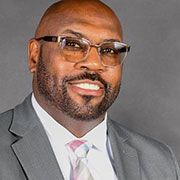
Damōn Chaplin, MBA, Commissioner, Minneapolis Health Department
Please tell us about the kinds of work you do to promote public health.
Our work spans a wide range of public health priorities — all grounded in strong partnerships with our communities to advance equitable health outcomes and eliminate disparities. We do this through a combination of education, prevention, regulation and policy change—whether we’re strengthening emergency preparedness, addressing chronic disease or reducing risks through home hazard mitigation, such as lead and radon prevention.
Our efforts also include commercial tobacco prevention, substance-use response and supporting maternal, childhood, and adolescent health. We oversee safety in food, lodging, pools, tanning and tattoo services, while also advancing sexual and reproductive health, communicable disease prevention and climate equity.
We’re working to strengthen our local food system and expand access to care through School Based Clinics in Minneapolis high schools, ensuring that health and wellness are accessible to residents at every stage of life. The Minneapolis Health Department budget over the coming year is approximately $46 million, which is funded by the city’s general fund (56%), grants (40%) and opioid settlement dollars (4%).
What can you tell us about how the Minneapolis Health Department started and how it has evolved over its 150+ years in existence?
The Minneapolis Health Department has a long history rooted in the city’s response to rapid urban growth and the public health challenges that came with it. Like many cities in the late 1800s, Minneapolis began with the creation of an informal board of health in 1867, focused primarily on controlling infectious disease outbreaks and improving basic sanitation. Early efforts centered on issues such as cholera, smallpox, unsafe drinking water and poor housing conditions, which were major threats in a densely growing urban environment.
In 1872, this evolved into a more formalized public health department under the City Charter, developing stronger governance and expanded responsibilities, including food and milk inspection, tuberculosis control and broader environmental health protections. This period also saw the establishing of Minneapolis General Hospital, managed by the Minneapolis Health Department until it was transferred to Hennepin County in the 1960’s.
During the mid-20th century, we shifted focus to address chronic diseases, maternal and child health, immunizations and community-based prevention programs. Public health also became more closely integrated with health care providers and social services as the understanding of health expanded beyond disease treatment to include prevention and wellness.
To meet community needs, the health department is now a modern public health agency focused on health equity, recognizing that social and economic conditions strongly influence health outcomes. We work across the city to address disparities, support vulnerable populations, manage public health emergencies and promote healthier communities through partnerships and data-informed strategies.
Social and economic conditions strongly influence health outcomes.
How do you interact with other city departments of health, both in Minnesota and nationwide?
Our work is deeply collaborative, built on strong partnerships across local, state and national public health systems to advance shared funding and policy priorities. We actively engage with peer agencies through the local public health association to help shape state legislation while also contributing to national efforts through the National Association of City and County Health Officials (NAACHO) — where I serve as president — and the Big Cities Health Coalition.
Regionally, we partner with Hennepin County and neighboring city health departments to lead a joint Community Health Assessment and Improvement Plan. We also work alongside the Minnesota Pollution Control Agency to advance our shared goals around climate and environmental health, ensuring a comprehensive and coordinated approach to protecting community well-being.
What are some of the ways you work with the Minnesota Department of Health?
Our work is supported by a combination of state and federal funding, much of which is distributed through the Minnesota Department of Health (MDH), including important federal pass-through resources. One key example is the Local Public Health Grant, which provides foundational funding to health departments across the state to strengthen public health infrastructure and respond to emerging health issues.
We also work closely with the MDH for strategic planning and guidance. Our collaboration extends to implementing grant-funded initiatives, including emergency preparedness efforts that are fully supported by federal and state funding, where we coordinate trainings, exercises and drills with a wide range of partners.
Through delegations from both the United States Department of Agriculture (USDA) and the MDH, we are also able to directly conduct inspections of food, lodging, pools, tanning and tattoo establishments. Additional funding from the MDH supports our cannabis - and substance-use prevention efforts, while our opioid response work, including naloxone (NARCAN) distribution and strategies tied to opioid settlement funds, ensures we are addressing substance-use challenges with targeted, evidence-based approaches.
You provide a range of mental health support resources — please discuss some of this work.
Much of our mental health work is centered in our School Based Clinics, where we provide counseling services to students in Minneapolis public high schools, ensuring young people have access to care where they are. We are also expanding access through an upcoming Request For Proposal (RFP) for nontraditional mental health services that will be offered at the future South Minneapolis Community Safety Center, alongside efforts to support those on the front lines, such as providing healing and mental health resources to contractors involved in Operation Metro Surge.
To strengthen and coordinate this work, we recently welcomed a mental health and well-being coordinator who is leading these initiatives and helping connect broader community resources. In addition, we work to reduce stigma through public awareness efforts like It’s OK to not be OK and provide referrals through our Mobile Medical Unit, helping ensure residents can access the mental health support they need in a variety of settings.
What are some of the goals you have for the Minneapolis Health Department?
Our department’s work is guided by several key priority areas that shape how we serve the community and advance public health outcomes across Minneapolis. These include ensuring a healthy start to life and learning, supporting thriving youth and young adults and promoting healthy weight and smoke-free living.
We also focus on creating healthy places to live and ensuring residents and visitors have safe places to eat, swim and live, all while protecting and advancing a healthy environment. Our commitment is to maintain a strong urban public health infrastructure that can respond to both ongoing and emergent needs. At the same time, we work to stabilize our funding during this period of reduced financial resources in order to continue delivering essential services to the community.



What are some of the things you do that physicians might find the most surprising?
People are often surprised by how much public health work extends well beyond traditional clinical care. For example, the Minneapolis Health Department is actively involved in climate change mitigation and working to reduce environmental health risks that directly impact community health outcomes, such as heat-related illnesses and addressing air quality concerns. We also carry out regulatory enforcement for noise, air, water quality and erosion control, ensuring that our community’s environmental conditions support, rather than undermine, community health.
Emergency preparedness and response is a major focus of our work. We plan for and respond to public health emergencies such as disease outbreaks, extreme weather events and other crises that require rapid coordination across multiple public health and other response systems.
We also engage in policy development at the local level, shaping regulations and initiatives that prevent illness before it occurs, and address the root causes of health disparities. Together, these functions highlight how public health complements clinical medicine by focusing upstream — preventing illness, protecting environments and strengthening the systems that keep entire populations healthy.
Recent federal government policies have created significant challenges for anyone involved with public health and safety. How has this affected your work?
Recent changes in the federal funding and public health landscape have created significant challenges for local public health departments. There have been attempts at the federal level to reduce or eliminate key grant programs, including targeted cuts to initiatives such as the Public Health Infrastructure Grant and Racial and Ethnic Approaches to Community Health (REACH) program that impact states like Minnesota, Colorado, Illinois and California. This uncertain and diminished funding environment has contributed to lower morale and uncertainty among staff, particularly those whose positions are supported through federal grants.
We also experienced the loss of our Public Health Associate Program in early 2025, along with reductions in AmeriCorps opportunities. The Public Health Corps program, previously a critical pipeline that introduced young people to local public health careers and supported staffing capacity, has since been disbanded. In addition, instability and uncertainty within the CDC landscape have affected vaccine outreach efforts locally, contributing in some areas to increased vaccine hesitancy and associated outbreaks.
Is there anything else you would like physicians to know about your work?
We invite your readers to partner with us to improve health for your patients and the community. For example, we can help a family struggling with asthma or lead poisoning through our Lead and Healthy Homes program. We can help students with mental health challenges through our School Based Clinics.
Damōn Chaplin, MBA,
is the Commissioner, Minneapolis Health Department.



MORE STORIES IN THIS ISSUE
cover story one
Non-Emergency Medical Transportation: A hidden variable in patient care
By David Beard, PhD
cover story two
Navigating Lupus Diagnosis: Historical foundations to novel biomarkers

