


Minnesota health care roundtable

Defending Science
Evolving new partnerships —
The following report from the 61st session of the Minnesota Health Care Roundtable addresses important issues posed by recent changes in federal health care policies. Our panel shares insights into the effects of these new policies and offers constructive suggestions for addressing them. Speaking from what are essentially the front lines in an effort to maintain the difference between science and ideology, several important and challenging outcomes of these new policies are discussed. Our panel offers hope and firm guidance toward maintaining the efficacy of research, public health and medical science.
We extend our special thanks to the participants and sponsors for sharing their perspectives and expertise. This winter we will publish the 62nd session of the Minnesota Health Care Roundtable on the topic of artificial intelligence and the peptide tsunami. We welcome comments and suggestions.
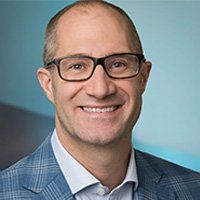

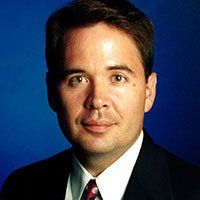
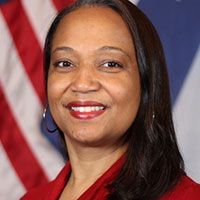


What are some of the biggest problems recent federal health care policy changes have created for your industry sector?
JP: Governmental public health has faced an incredibly challenging year and a half. With the end of financial support for emergency operations at the end of COVID-19, we were supposed to have time to recharge and rebuild. That really has not happened. There is very little political support felt at the federal level, coupled with communication and policy changes that can be very hard for state and local practitioners to accept. It is coming from all angles: funding cuts, policy shifts, attacks on public health workers and the questioning of science and vaccines. After substantial voluntary turnover, we’ve moved into a period of involuntary turnover in the field. It is a very challenging time to work in public health.
Jesse: Medicare, Medicare/Medicaid and Medicaid are utilized by people with disabilities at approximately 69% compared to the general population at 31%. Reductions by the federal government to domestic spending on health care are having a destabilizing impact on the lives of people who rely upon these federal and state programs.
Brooke: As designed, our public health system relies on a strong federal partner for funding, communication and coordination. The Minnesota Department of Health is 50% federally funded. When there are major shortfalls in or recissions of that funding, our ability — and that of our partners — to provide public health services suffers.
During and directly following the pandemic, we started to see more investment in public health with federal funds flowing to states to recruit, retain and train the public health workforce, advance disease surveillance, modernize data systems and improve our overall public health infrastructure. Then the federal government suddenly and unilaterally cut grant funds to states in late March 2025. The funds were then restored to the states that sued to retain them, including Minnesota, but we have still not recovered from the disruption of that initial loss of funds.
With the passage of the federal budget for Health and Human Services this February that maintained 2025 levels of public health funding, we’d been hopeful that the threat to public health funding from the federal government was passed. Unfortunately, sudden cuts of federal public health grants continue to be a reality. The latest round of cuts included the termination of about $38 million for the Public Health Infrastructure Grant in Minnesota. Three other states (California, Illinois and Colorado) also had their grants terminated. Canceling grants to states affects all projects, staff and partners funded by those monies, including allocations to local public health departments, Tribes and community-based organizations. We have again sued to maintain access to these funds, but even the uncertainty itself makes it more difficult for us to do our jobs.
David: One of my teaching assignments at the University of Minnesota Duluth is a course in grant writing and project management. In typical years, I have shepherded students through successful crafting of grants to support rural farms (a new compost system), to support veterans (through equine therapy) or to support eldercare services (the repair of a van to transport residents of an eldercare facility). In the last year, the ecology of grantwriting has been thrown into turmoil. Federal funders are no longer reliable. State funders are struggling to establish a new normal as federal funding evaporates and state economies shrink. Foundations are cautiously attempting to determine the ways that they will need to pick up the slack.
I have long told students that grantwriting is about leveraging resources, pairing the goals of the state or the foundation supplying a grant with the goals of the nonprofit. Well-matched, we can achieve the aims of both. With the changes in the current administration, the ecology of grantwriting is unstable and it may be years before it settles — if it ever does. In the meantime, people will hurt.
Todd:
Recent federal health care policy changes have thrown a wrench into the gears of an already clunky mental health care system in Minnesota. The most glaring issue is the gutting of longstanding funding for proven mental health services and infrastructure. For instance, the Minnesota Department of Human Services has faced budget cuts that directly affect community mental health programs, which are vital for serving low-income and marginalized populations. This isn’t just about dollars and cents; it’s about caring for our most vulnerable citizens who now have even fewer resources. It’s frustrating to see mental health services continually undervalued while headlines highlight the increasing rates of anxiety and depression in people of all ages. We must advocate fiercely for policies that prioritize mental health, ensuring that funding is restored and expanded to support community-based services. Additionally, providers can help by demonstrating the effectiveness of mental health care through data and outcomes to help advance practices and secure necessary funding.
Mental health treatments backed by rigorous research are being dismissed in favor of ideologically driven narratives.
—Todd Archbald
Please share some examples of how health care misinformation can affect health care delivery.
Todd: Health care misinformation exacerbates existing health disparities, particularly among marginalized populations who already face structural barriers to care. Vulnerable groups, including youth in rural areas or minority communities, are disproportionately affected, complicating their access to necessary mental health services. The rise of digital platforms and social media has intensified the spread of false narratives, leaving the public confused and mistrustful of legitimate health information. To combat this, we must prioritize health literacy and advocate for evidence-based communication. By promoting accurate information and dismantling stigma, we can ensure mental health care is recognized as a vital component of overall well-being, encouraging individuals to seek the help they need without fear.
Additionally, misleading claims about mental health treatments can deter individuals from seeking care, leading to increased suffering and tragic outcomes. One of the best examples is the misconception that antidepressants are addictive, a myth that can prevent people from accessing a treatment that could significantly improve their quality of life. These medications are scientifically proven to help people with depression and anxiety by altering brain chemistry to enhance mood and emotional regulation.
David: My experience with disinformation is primarily in mental health care. Access to mental health care depends on destigmatization. For every person who believes that exercise and diet can “fix” mental health issues, there are many, many others for whom these solutions just cannot work. Medical and pharmaceutical solutions have a place as we seek help, and asking for that help should be socially acceptable.
We typically think of disinformation as the process that pushes us toward the wrong solutions, but my fear is that disinformation in mental health will just make people who need help feel shame for asking. They will suffer in silence.
JP: You don’t need to look any farther than the United States losing its measles eradication status. We are now at a point where vaccine-preventable diseases are not just on the rise but are causing outbreaks across the country, and the official expectation from our federal policymakers and experts is that this trend will continue. We should expect to see more, not less, infectious disease among children, the elderly, and other populations in the United States. This consequence of federal policy represents a substantial shift in how the federal government approaches misinformation and disinformation. They no longer fund research in that space and generally forbid personnel from working in those areas.
Brooke:
When evidence-based public health information is challenged or obscured, misinformation about topics such as vaccines, substance-use risks or chronic disease prevention can spread rapidly. Over the last few years, we have seen declining rates of vaccination, which leads to the spread of vaccine-preventable diseases in the community, increasing hospitalizations for those conditions and the exposure of other patients and health care workers. Misinformation can also cause people to ignore medical advice or seek out alternative remedies that may cause more harm than good. We saw this happen when people, often on social media, touted ineffective therapies like ivermectin or hydroxychloroquine as treatment for COVID-19 during the pandemic. During the measles outbreak in Texas in 2025, misinformation about using vitamin A to treat or prevent measles led to instances of vitamin A toxicity, which can cause vomiting, headaches, joint pain, liver damage and other problems. There’s also been misinformation about the safety of tap water, specifically the safety of fluoride in tap water. People who are worried about their tap water may choose to drink bottled water, which is more expensive than tap water and stored in plastic containers that can leach chemicals or contaminate the environment, or they may choose sugary beverages instead, increasing their risk of cavities and other chronic conditions such as diabetes.

Almost every element of health care delivery is developing new strategies to address funding cuts. What are some examples of this that you have seen?
Jesse: At the Minnesota Center for Independent Living (MCIL) we have advanced a new model called the 7 Life Sustaining Dimensions that identifies needed realities for families, children and individuals to stabilize their lives. All sectors of society must work together to improve and address the needs of families, children and individuals. For example, the health care sector that focuses solely on health intervention and prevention needs to innovate, to answer the question what else is needed to stabilize the patient, the client, the individual, the child, the family? This framework is based on a constitutional society in which the context of all sectors leads to better coordination and integration in stabilizing families, children, individuals and older adults.
We are living in an era of higher costs for people and doing more with less. Yet such an era of crisis can also be one of opportunity to build on the knowledge of why stabilizing families, children and individuals including older adults is the focus of a constitutional society. At the same time we have the opportunity to build upon technological advances in bringing integrated resources to stabilize people within the 7 life sustaining dimensions.
JP: Health care delivery within governmental public health is narrower, of course, than the broader health care delivery sector. Health departments sometimes provide primary care, but much more often, they focus on STI treatment, clinical disease prevention, or maternal and child health services. There are a number of rural jurisdictions that operate clinic-like facilities and are particularly concerned about forthcoming effects from the cuts to Medicaid. Prior to the Affordable Care Act (ACA), many of those services were provided by state grants, but those grants largely no longer exist and aren’t coming back. So, unless states decide to spend scarce general fund dollars to restore these supports, health departments will have a very hard time replacing federal funds. It seems much more likely that services will simply be cut.
David: I’m recently fascinated by the commitment small, rural Minnesota communities are putting into “upstream” mental health resources. These “upstream” resources include support groups like GLAD (the Group Living w/Anxiety & Depression in Silver Bay, Minnesota) or less direct resources, like hiking clubs and church communities. These community programs support those with mental health needs now. These groups also help connect those who might face challenges in the future with community and with resources.
Todd: In Minnesota, mental health organizations are getting creative in response to funding cuts, adopting innovative strategies to ensure continued access to care. The rapid adoption of telehealth and online services has been a game changer, allowing providers to reach clients in remote areas where mental health resources are scarce. For example, organizations like NAMI Minnesota have expanded their virtual support groups and educational programs, making it easier for individuals to access help from the comfort of their homes. Additionally, mental health providers are leveraging technology, including mobile apps that offer self-help tools and resources, to augment traditional treatment. Collaborative partnerships are also emerging, with mental health providers teaming up with schools and law enforcement to focus on early intervention and crisis prevention. These adaptive strategies are essential not just for survival but for thriving in an evolving landscape where mental health care is increasingly critical.
Brooke:
Public health has never had the resources it needs to fully serve its mission. While I’m proud of what our smart and resourceful public health workforce can do, I hope the day comes when we have more than a shoestring budget. In the meantime, the best new strategies to address funding cuts strengthen coalitions and identify new partners (e.g., private sector, foundations) with shared interests. For example, counties in Minnesota have started coming together at the regional level to explore how working together can save time and money. Using a regional data model, local health departments share the staffing, knowledge, expertise, and infrastructure to increase an entire region’s ability to collect and use population health data. In health care, rural providers are also working together in clinically integrated networks to share costs, enhance care coordination, and negotiate more sustainable reimbursements from payers. For example, a new Children’s Mental Health Initiative is being developed that will allow counties to reduce costs and improve outcomes by coordinating care across the region. A few states (e.g., Michigan, Mississippi) have worked with philanthropy to create investment funds or trusts specifically for public health. While the origins and operations of the models differ, they enable ongoing investment in high-impact, high-priority initiatives. Finally, schools of public health and local public health departments have also been developing new programs for students to gain hands-on experience in public health for academic credit. These programs provide valuable training, meet degree requirements, improve readiness for public health practice after graduation and help meet local workforce needs.
We are being asked whether we trust individuals as they recommend fewer vaccines and other changes that just don’t make sense.
—David
Beard
In light of diminishing health care resources, how could new community-based partnerships help extend access to health care delivery?
Todd: Community-based partnerships have the potential to be innovative and highly effective safety nets at a time when resources are dwindling. By collaborating with local organizations, mental health providers can create a web of support that extends far beyond traditional care settings. Imagine a scenario where mental health providers, schools, faith-based organizations and community centers come together to address mental health needs. A great example is the Mental Health Collaboration Hub, a community of more than 400 organizations that help youth in mental health crisis who are boarding in hospitals. Other programs aim to integrate mental health services with community resources, breaking down barriers and making it easier for individuals to seek help without fear of stigma. Integrated care models, where mental health services are offered alongside primary care, can ensure that patients receive holistic support. These partnerships can also open doors to funding opportunities that might otherwise be out of reach or unrecognized. In Minnesota, the collaboration between mental health organizations and local governments has led to innovative funding solutions that prioritize mental health care. Ultimately, our communities will pay one way or another; investing in mental health is essential for fostering healthier, more resilient populations.
Jesse: Twenty years ago I worked on a plan that addressed a multi-payer framework to better stabilize inpatient mental health clients who transitioned into community settings. It involved Rule 29 outpatient mental health clinics and needed community supports. We learned that the health care sector is highly inelastic and that innovation is difficult. The conversation needs to go beyond health care delivery and focus on health care outcomes and beyond that to answer the question: “How can our health care system leverage what we do with needed resources and supports to stabilize our patients?” Ultimately the context of health care is to advance the health and well-being of a society as a throughline to a constitutional based society.
Brooke: Community-based partnerships are no longer optional, they are essential. By moving some care out of hospitals/clinics and into the heart of the community, we can meet people where they are. This reduces cost and overcomes barriers that keep our most vulnerable communities from care. Multi-sector partnerships, community-based organizations (CBOs), like recreation centers, faith-based organizations and libraries can help. They could become “community care hubs” with community health workers (CHWs), pharmacists, clinicians and counselors offering services to individuals or groups. CHWs or health navigators could help community members (re)enroll in public programs, such as Medicaid. CBOs could be supported to expand programs focused on community connectedness, improving mental health and well-being.
These organizations could create dedicated space to help community members securely connect with their health care providers via telehealth, which would be particularly beneficial for Minnesotans who do not have broadband access, have difficulty navigating virtual platforms, or have transportation barriers. Health care organizations, in partnership with local public health departments, could expand mobile health —currently used in Minnesota for mammography, dental screenings, vaccine access, and some preventative care — to include other clinical services. Mobile health is especially important to address care needs when people live or work in health care deserts or people are highly mobile, such as seasonal workers and people experiencing homelessness.
JP: It’s more important than ever for primary care providers and community public health professionals to be in contact with each other. This is crucial both to ensure reasonable continuity of care for shared patients and to target population-based prevention efforts that are very hard to address independently. Additionally, there is an opportunity to better leverage technology to enhance public health surveillance and communicable and chronic disease reporting. However, this entails overcoming technical hurdles and building partnerships between healthcare entities that may not see an immediate improvement to their bottom line. We are very lucky in Minnesota to have incredibly robust electronic health information exchanges; our hospital systems, private practitioners, and public health departments have all benefited from this. I hope other states can follow our model.
The United States of America is among the few western nations that lacks a national public health policy.
—Jesse Bethke Gomez
Health care initiatives that involve diversity, equity and inclusion have recently been identified as part of an anti-American agenda and have experienced significant negative repercussions. Please share some examples of this.
Brooke: At the Minnesota Department of Health, we believe everyone should have what they need to be healthy. Both science and common sense tell us that “one size does not fit all,” that the path to optimal health looks different for different people. Yet recent federal funding disruptions have created significant uncertainty for many programs that support addressing that diversity of need. In response to this uncertainty, many organizations have scaled back, discontinued, or delayed the implementation of services that seek to focus on those most affected by health inequities, especially racial, ethnic, sexual or gender minorities. The impact will be felt well into the future as institutions cut programs that prepare clinicians to respond to the diversity of patient background and circumstance. Community-based organizations, which have historically filled some of the gaps for people, have also experienced significant negative repercussions as funding streams disappear, including those from foundations that have changed course in response to this new climate. While individuals, families, and communities bear the immediate consequences of “one size fits all” approaches, when care needs go unmet for a prolonged period of time, we all pay. The population overall is less healthy than it could be, which adversely affects the quality, cost, experience and accessibility of services, even beyond health care. We cannot have vibrant communities with thriving connections, resilient families and strong economies if we neglect or dismiss the needs of large segments of the population.
Todd: Many of the initiatives aimed at promoting diversity, equity and inclusion are often mischaracterized as divisive, despite their fundamental importance in enhancing cultural competence and access to care. Given our state’s cultural richness, it is imperative that our mental health providers understand unique cultural differences and provide both empathy and appreciation for diverse backgrounds. The intent of these initiatives aims to ensure that mental health services are culturally relevant and accessible to all communities. Backlash against these initiatives can create an environment where providers feel hesitant to engage in necessary conversations about race, identity, and mental health. This is not a threat to our systems or something that should be controversial; it is essential for achieving quality-based outcomes. The reality is that these initiatives are not just ethical imperatives, they are crucial for creating a health care system that works for everyone. By fostering an inclusive environment, we can ensure that all individuals receive the mental health care they need, ultimately leading to better outcomes for our communities.
Jesse: The basis of the United States of America is known as the “natural laws,” that which is immutable, self-evident and endowed by a Creator in all humanity. We also need to remember that who we are in the richness of the mosaic of society of people is that our human nature for all is one and the same as Homo sapiens. Euclid of Alexandria around 300 B.C. had first among his five general axioms: Things which are equal to the same thing are equal to each other. With these realizations we have organized a society that entrusts these natural laws into our constitution. Our constitution gives greater context with the amendments to the constitution and the three co-equal branches of government. The 13th, 14th and 15th amendments to the U.S. Constitution are foundational to the Civil Rights Act. It is the Civil Rights Act that identifies protected classes against discrimination. Additional federal regulations, federal laws and state laws also prohibit discrimination based upon protected classes. Through the arc of our history as a constitutional society, every generation has worked to advance that which we uphold as the natural laws in further advancements about the U.S. Constitution and the laws in the fair and equal treatment of all humanity: the encompassing of diversity, equity and inclusion.
David: There is a positive dimension possible as we rethink our approaches to “health equity” in light of recent federal changes. In 2025, a Duluth nonprofit (Ecolibrium3) began speaking about Health Equity by census tract, instead of demographic data, noting that census tract 156, or Lincoln Park’s lower neighborhood along the highway and harbor, has one of the lowest life expectancies in the entire state. In that geography, life expectancy is just 69 years, meaning 99.5% of Minnesotans can expect to live longer than the neighborhood’s residents. Just a few miles away, in other census tracts, life expectancy is more than 80 years.
By speaking about health equity in terms of geography, we can speak to intersectionality in new ways. Everyone in census tract 156 is at risk, across diverse demographic categories and identities — and that neighborhood is diverse. By speaking in terms of geography, we have an opportunity to think about health equity for that entire community.
Similarly, my research emphasizes rural Minnesota. Rural Minnesota is far more diverse than we think it is. Rural areas include Indigenous community members, migrant communities pursuing labor opportunities, and more – as well as individuals of all backgrounds who are aging fast.
We have been asked to transition our vocabulary for talking about health equity. We have not lost the ability to examine and respond to challenges in health equity — we have instead been forced to rethink them in a way that may serve all Minnesotans better.
JP:
As the saying goes, elections have consequences. New policies are in place that dramatically reverse the federal administration’s position on the importance of diversity, equity, and inclusion. Furthermore, executive orders actually go a step farther to bar these activities in large part. This has substantial implications for the health workforce in Minnesota and nationally. A number of programs had been established to fund residents, fellows, and early-career staff from underrepresented communities. Representation largely encompassed race and ethnicity, but also, importantly, geography. Because many of these programs could not simply be generalized or have the offending language removed, they were terminated. Effectively, this means less funding for workforce development, recruitment and retention in the health sciences. It is reasonable to expect that workforce shortages will be deeper than anticipated. Additionally, with changes to student loan policies and Public Service Loan Forgiveness, there will be less financial incentive for professionals to work in underrepresented communities or in public service more broadly. There is every reason to think this will lead to not just shortages, but a health workforce that does not look like the community it serves.
Numerous recent actions undertaken through new federal policies seemingly undermine the empirical scientific process. Please share some examples of this with some consideration of the potential repercussions.
JP: Professionally, I was raised on the idea that we should always be skeptical about a particular study or finding. It is deeply concerning, however, to see the fundamental notion of empiricism questioned in favor of anecdotes or “doing one’s own research.” To me, there are some obvious early outcomes: less trust in science has made us less safe, and our children are less equipped to compete in a global environment. But there are less obvious outcomes too, which are perhaps just as concerning. Over the last hundred years, much of the power of the United States has been soft power. One important way we project that is through our global scientific leadership. Abdicating that position — by leaving the WHO, making our colleges and universities less appealing to international students, or changing our health science funding model to make it harder for junior scientists to secure funding — is alarming. Any one of these actions would be concerning on its own, but combined, these structural challenges to our scientific investments mean we are in for a very difficult time on the global stage.
Todd: We’re witnessing a troubling trend where political differences can undermine the very foundation of the scientific process. When political agendas take precedence over empirical evidence, we’re playing a dangerous game. For instance, certain mental health treatments backed by rigorous research are being dismissed in favor of ideologically driven narratives. This not only erodes trust in the scientific community but also delays care, creates stigma, and ultimately puts lives at risk. Funding cuts to research initiatives stifle innovation, leaving us with outdated practices that fail to meet the needs of patients. This is a critical juncture. We must advocate fiercely for policies that prioritize scientific integrity, ensuring that our approaches to mental health care are grounded in solid research. The repercussions of ignoring this are dire; we risk losing the progress we’ve made in understanding and treating mental health conditions.
Brooke: Over the past year, we’ve seen significant changes at the federal level that affect how immunization recommendations are made. For decades, providers have relied on the Advisory Committee on Immunization Practices (ACIP) to issue recommendations to the Centers for Disease Control and Prevention (CDC) that were based on the best available data and scientific evidence. In June 2025, all 17 members of ACIP were dismissed and replaced — without good cause. Since then, the reconstituted ACIP and acting CDC leadership removed or downgraded recommendations for several vaccines. In multiple cases, these decisions were made without the full, transparent evidence review that providers have traditionally expected from the ACIP process. A preliminary injunction was recently issued that stops or reverses actions that this new ACIP has taken (at least for the time being), but confusion over these policy changes can contribute to vaccine hesitancy.
Jesse: While federal policies have recently seemingly undermined empirical research, we are moving into an era of Artificial Intelligence (AI) that is quickly becoming integrated into care models of delivery. We enter an era of hyper empirical evidence that will become a powerful means that better aligns federal policies with real-time science-based evidence.
David: Science proceeds best when scientists are invisible; this is why we teach students to craft lab reports using the passive voice. It doesn’t matter who conducted the experiment; what matters are the results and their implications for health care.
Science may work best when the scientist is invisible, but we have entered a time when trust in science has become hard to disentangle from trust in scientists, physicians and public health leaders.
During the pandemic, we saw this crisis in trust play out in multiple ways — we saw Dr. Osterholm become a nationally trusted figure in pandemic response. At the same time, a candidate for governor advised Minnesotans to be skeptical of the advice of doctors and public health professionals concerning masks — a claim that depended on our trust in him.
Historical trauma also complicates trust in medical professionals — people of color are pressed to trust medical institutions that harmed them in the past. As a result, local leaders like Arne Vainio shared their own pandemic vaccination on the nationally syndicated TV show “Native Report.” Viewers might not trust “medicine,” as an institution or cultural construct, but they could trust Dr. Vainio. During the pandemic, in complicated ways, we learned to trust people, instead of institutions.
The fallout from this shift, however, is that the current leaders in public health are calling for our trust and we don’t want to give it. We are being asked whether we trust individuals as they recommend fewer vaccines and other changes that just don’t make sense if you’ve lived long enough to remember polio or if you lived in an urban area in 2020.
The danger today is not that science is becoming political – it always has been – but that it is becoming ideological.
—Brooke Cunningham
Please share some of your thoughts on how these policies can affect public health.
JP: To me, public health is just as much a public safety function as fire or police. We are trying to prevent infectious diseases and ensure that our air, water, and food are safe. We accomplish this through direct inspection/regulation, clinical treatment and population-based prevention. Each of these pillars of public health is being eroded in the current federal environment. Some of this is framed as a difference in policy that explicitly aims to change the status quo for public health in the United States. Reasonable people can disagree about the role of government in our lives, but I genuinely believe we are less safe now, and I’m not sure we talk about that as much as we should.
Jesse: The United States of America is among the few western nations that lacks a national public health policy. On the American journey of discovery to become a more perfect union, we must recognize that public health is concerned with the well-being and health of society. In the context of a constitutional society we must recognize the inalienable rights and human dignity of all as the basis for guiding our actions. What is most important is that as we have endured through a generational impact due to the COVID-19 pandemic, we are making discoveries beyond the role of public health and health care, whereby both become concerned for stabilizing families, children, individuals and older adults as well as all other sectors that lead to the context of a constitutional society in assuring even greater relevancy to the Preamble of the U.S. Constitution: We the people of the United States, in order to form a more perfect union, establish justice, insure domestic tranquility, provide for the common defense, promote the general welfare, and secure the blessings of liberty to ourselves and our posterity, do ordain and establish this Constitution for the United States of America.
Todd: Some policy changes assume that things are “good enough,” but in reality, they are far from it. Mental health research is years behind the rest of medicine, and when innovation and access to mental health services are restricted, we’re not just talking about individual suffering; we’re looking at a public health crisis in Minnesota. Untreated mental illness can lead to increased rates of substance abuse, homelessness, and even suicide, creating a domino effect that destabilizes entire communities. The stigma surrounding mental health, fueled by misinformation and negative narratives, only compounds the issue, keeping people from seeking the help they need. For example, Minnesota has seen a rise in youth suicide rates, particularly among marginalized communities, highlighting the urgent need for effective mental health interventions. We need to advocate for policies that recognize mental health as a cornerstone of overall health, ensuring that everyone has access to the care they need to thrive. If we don’t, we risk creating a society where mental health issues are swept under the rug, with devastating consequences for individuals and communities alike.
Brooke: Federal policy changes may lead to people forgoing important care or preventative services, or insurers not covering them. For example, if federal policy shifts some vaccines away from universal recommendation status, even if patients have insurance, it’s not clear insurers will continue to cover vaccines. If clinics are unsure whether a vaccine will be reimbursed, they may limit which vaccines they stock or refer patients somewhere else. Over time, that can create real access gaps for patients.
The upcoming changes to Medicaid eligibility and enrollment are also worrisome. According to data from the latest Minnesota Health Access Survey, the state’s uninsured rate increased from a historic low of 3.8% in 2023 to 5.8% in 2025. This means almost 120,000 more Minnesotans are going without health insurance compared to 2023. Much of this increase in uninsurance is due to the unwinding of continuous coverage provisions set up during COVID-19.
Federal funding is also crucial for us to maintain efforts like the Health Care Preparedness Coalitions in Minnesota that provide essential regional coordination across health care systems, long-term care, emergency medical services (EMS), emergency management and local public health. These coalitions lead critical response efforts, including evacuating long-term care residents during fires and floods, responding to infrastructure failures such as roof collapses in medical facilities, troubleshooting supply chain disruptions after natural disasters, and managing large-scale medical surge events like the 2007 I-35W bridge collapse. Cuts or instability in funding weaken our ability to respond to these emergencies.
How might we best move through these challenging times and preserve the integrity of scientific research and the value it brings to health care delivery?
Todd: Navigating these turbulent times requires a commitment to preserving the integrity of scientific research in health care. We need to champion transparency in research funding and policymaking, especially as it pertains to mental health. When decisions are made behind closed doors, it breeds distrust and fuels political influence. We must foster open dialogue among researchers, practitioners and policymakers to ensure that evidence drives our decisions. Collaboration across disciplines is vital; diverse perspectives can enrich our understanding of mental health issues and lead to more robust solutions. Education is also key — public awareness campaigns that emphasize the importance of evidence-based practices, such as those led by the Minnesota Department of Health, can help counteract misinformation. Additionally, we need to do a better job communicating practical learning from studies and research. While we have extraordinary breakthroughs in labs, the results don’t always translate well to practice settings. By ensuring that scientific research remains at the forefront of mental health care, we can continue to improve outcomes for all Minnesotans.
David: Charismatic and trustworthy public health leaders can be an important part of a persuasive and effective public health campaign, but they can’t replace faith in science as an institution. We need to restore faith in science as a set of practices and a set of institutions that generate knowledge that we can use to make difficult decisions.
It’s possible that we have lost, that we cannot restore faith in, the generations who are adults today. The generations who have funneled their trust into podcasters and political pundits may be beyond our ability to reach. So, as an educator, I am putting my faith in and pinning my hopes on the children we are educating for tomorrow.
Jesse: In every generation of American history it is often “we the people” that have worked through great challenge in seeking to advance a more perfect union. Our nation and its postsecondary sector, the health care sector, the public health sector and as important the people of our nation, recognize that it is incumbent upon each of us to contribute to the greater good and common good for all.
For example, at MCIL we are as concerned about fixed asset limitations of $2,000 for individuals and $3,000 for couples for certain federal and state services for people with disabilities and older adults that have remained at the same fixed rates for over 40 years. This astonishing reality speaks to a nation adrift from the very heart and soul of that which is foundational to who we are namely the natural laws immutable in humanity and as a constitutional society. Our work is addressing and solving the severe humanitarian crisis for individuals who rely upon direct care services for daily living. This work is needed and essential for who we are as a society and advancing our ability as a nation in advancing the ability of people to care for one another.
Brooke: Although we should continue to talk about the scientific gains that we have made to prevent disease and to recover more quickly when an illness or injury occurs, it is much more important to talk about the process of science than to enumerate its successes. Science is valuable because of the “how” not the “what.”
Science is at its best when it is fully transparent — when scientists explain their study limitations; when they embrace learning and routinely welcome critique; and when they repeat studies over time, across settings, and with different populations to see if the results hold and modify their conclusions when they do not. We should talk more about the scientific process as iterative, as always seeking to improve its measures and methods in order to test its assumptions and conclusions. The transparency, reproducibility, openness to disconfirmation and methodological rigor of science account for its value.
To move through today’s challenges, we must do more than just ask the public to “trust the science.” Scientists garner trust when they describe their research in plain language and are forthright about what is known versus unknown. By speaking publicly about the norms and practices that create confidence, discussing the ways in which scientists hold each other accountable, and acknowledging the harms that have occurred when checks-and-balances fall short, we can preserve the integrity of scientific research and strengthen its credibility with the public.
It is deeply concerning to see the fundamental notion of empiricism questioned in favor of anecdotes.
—JP Leider
What are the most important things people need to do as we face ongoing efforts to turn scientific research into political agenda?
Todd: Politics need to stay out of scientific research. We need to cultivate critical thinking and media literacy; people must learn to question sources of information and seek out evidence-based insights. Engaging in open discussions about the importance of scientific research in health care can help demystify the process and counteract misinformation. We need to advocate for policies that protect the independence of research institutions, ensuring that scientific inquiry remains free from political influence. As a leader in mental health care, I emphasize the power of collaboration among professionals to create a unified voice that champions evidence-based practices. Supporting organizations that prioritize scientific integrity and promote public health initiatives can amplify our collective impact. By taking these steps, we can work together to safeguard the value of scientific research and ensure that it remains a cornerstone of effective health care delivery.
JP: Because science has become politicized, and it is not entirely obvious how to reverse that trend, people who care about these issues also need to become politically engaged. Regardless of where anyone falls on the political spectrum, I would wager that there are health care issues important to them — for example, that we all want to fight cancer and ensure better health outcomes for seniors in our communities. That means talking to your legislators about what issues you want to see addressed, and for professional physicians and other clinicians to talk about the importance of their work and what is lost when funding decreases.
David: We need a next generation of citizens who understand scientific practice and scientific institutions. We need citizen scientists, as well as professional ones. If we cultivate those, maybe, in twenty years, we won’t be making public health decisions based on whether we listen to one podcast guest or another.
Brooke: Science is often presented as neutral or objective. The sociology of science shows, however, that science is shaped, at every stage, by human choices and institutional contexts — from what topics are prioritized for funding, to which populations are included, to which variables are selected (e.g., individual-level vs. neighborhood vs. policy), to whether and how data are shared, to how results are interpreted and used to support or challenge existing systems. In that sense, science is always political. The danger today is not that science is becoming political — it always has been — but that it is becoming ideological.
When results are amplified or dismissed based on fit with a pre-existing narrative, when scientists fail to test competing hypotheses or ignore contradictory evidence, and when policymakers select experts based on their adherence to a particular worldview, spaces that were once scientific have become ideological. At its core, science is a practice that embodies transparency, openness, critique, reflection and correction. To guard against the infusion of ideology into scientific practice, we must zealously safeguard the norms and practices of science. It would also serve us well to be more upfront about ways that power has always shaped science.

MORE STORIES IN THIS ISSUE
cover story one
Non-Emergency Medical Transportation: A hidden variable in patient care
By David Beard, PhD
cover story two
Navigating Lupus Diagnosis: Historical foundations to novel biomarkers
